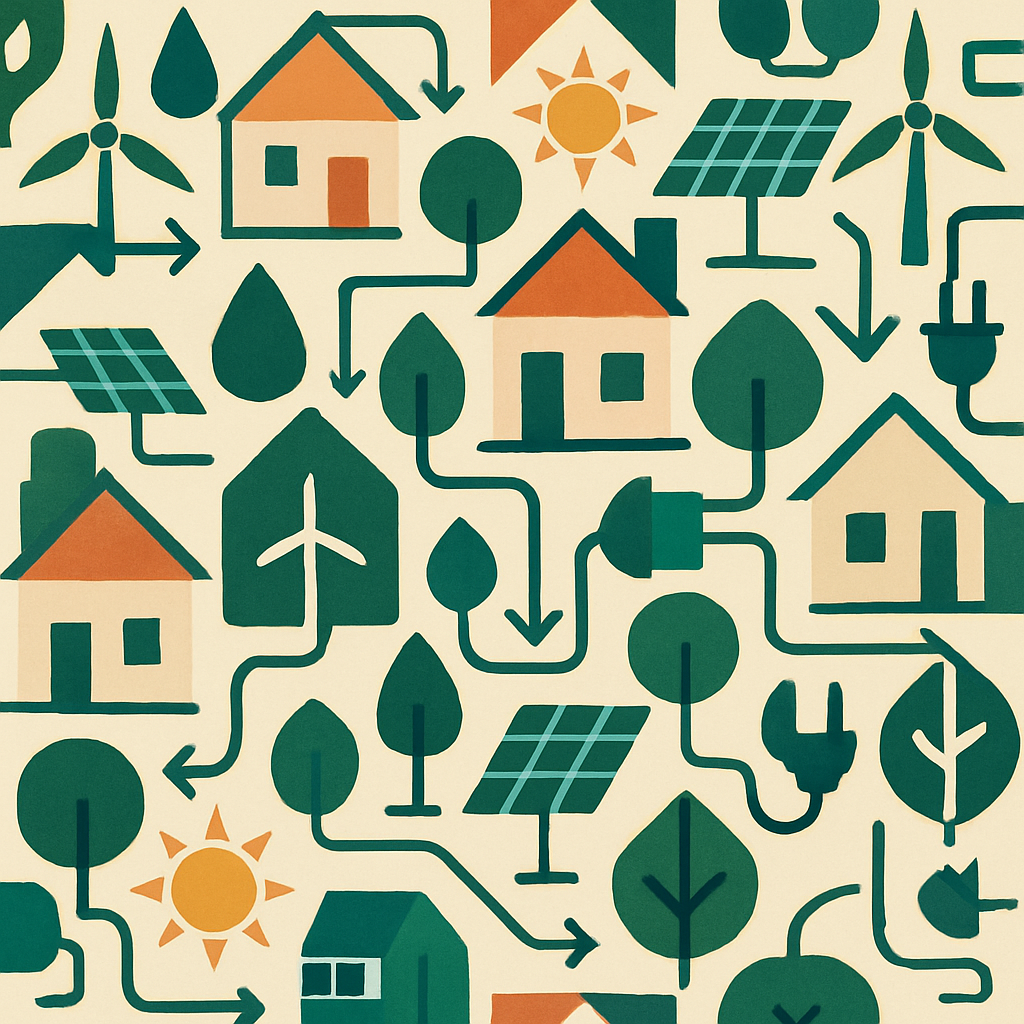
Learn to build a self-sustaining home with solar panels and rainwater systems for energy and water independence.
Key Takeaway: Begin building your self-sustaining home by prioritizing high-efficiency solar panels and a reliable rainwater harvesting system. These initial investments ensure energy independence and water security, setting the foundation for a sustainable lifestyle.
How to Build a Self-Sustaining Home
Building a self-sustaining home is a transformative journey. It’s not just about saving the planet. It’s about independence, cost savings, and a healthier living environment. With this guide, you’ll learn how to build a self-sustaining home from scratch, covering everything from energy systems to smart technology. We recommend the most effective products and strategies to ease your journey toward sustainability.
Understanding Energy Independence
Achieving energy independence is the cornerstone of a self-sustaining home. By producing your own electricity, you reduce reliance on utility companies, leading to long-term cost savings and environmental benefits.
Solar Power: The Leading Choice
Solar panels are the backbone of energy independence. According to the Solar Energy Industries Association, solar technology costs have plummeted, making it more accessible. We recommend starting with solar panels due to their scalability and reliability.
- SunPower Solar Panels: These high-efficiency panels are durable and offer more energy per square foot than most competitors, crucial for homes with limited roof space.
- LG Solar Panels: Another excellent choice, LG panels provide robust performance with great warranty options, ideal for long-term energy savings.
Exploring Wind and Geothermal Options
While solar power is popular, wind and geothermal energy can complement your setup, especially in areas with favorable conditions.
- Residential Wind Turbines: For windy locales, small turbines can supplement solar energy. However, they may be less practical in urban settings due to space and cost considerations.
- Geothermal Heat Pumps: These pumps use the earth’s stable temperature for heating and cooling, offering significant energy bill reductions despite higher initial costs.
Efficient Water Management
Managing water resources efficiently is crucial for a self-sustaining home. Implementing systems that minimize waste can greatly enhance sustainability.
Rainwater Harvesting
Rainwater harvesting is an effective way to reduce dependence on municipal water supplies. Systems like BlueBarrel help you capture and store rainwater for various household uses.
- BlueBarrel Rainwater Systems: These modular systems are easy to install and customizable, making them a great starting point for water conservation.
Greywater Systems
Greywater systems recycle water from sinks and showers for irrigation or toilet flushing, significantly reducing water wastage.
- Aqua2use Greywater Systems: These systems are efficient and straightforward to install, promoting eco-friendly water reuse.
Water-Efficient Fixtures
Investing in efficient fixtures is a simple yet impactful way to conserve water. Brands like Kohler offer eco-friendly faucets and showerheads that reduce water usage without sacrificing performance.
Waste Management Strategies
Effective waste management is essential for maintaining a self-sustaining home. Reducing, reusing, and recycling are key to minimizing your ecological footprint.
Composting and Recycling
Composting turns organic waste into valuable fertilizer, while recycling minimizes landfill contributions.
- NatureMill Composting Systems: These systems simplify composting, offering an odor-free solution for turning kitchen waste into nutrient-rich compost.
- Home Recycling Stations: Setting up a dedicated recycling area encourages responsible waste disposal.
Biogas Production
Turning waste into energy can significantly boost self-sufficiency. Biogas digesters convert organic waste into fuel for cooking or heating.
- HomeBiogas Systems: These user-friendly systems transform waste into biogas, providing a renewable energy source for your home.
Essential Components of a Self-Sustaining Home
Integrating the right components ensures your home operates efficiently and sustainably. Here’s a breakdown of what you need.
Renewable Energy Systems
Beyond solar panels, other systems can enhance your home’s energy efficiency.
- Battery Storage: To store excess energy, consider Tesla Powerwall, known for its large capacity and seamless integration with solar systems.
- Inverters: These devices convert DC electricity from solar panels into AC electricity. Brands like SMA America offer reliable options.
- Smart Meters: Systems like Sense allow you to monitor energy usage, providing insights into consumption patterns.
Sustainable Materials
Choosing sustainable materials can significantly impact your home’s environmental footprint.
- Eco-Friendly Insulation: Materials like cellulose or wool offer excellent thermal resistance and sustainability.
- Reclaimed Wood: Using reclaimed wood for flooring and furniture reduces demand for new resources and adds unique character to your home.
Efficient Home Design
A well-designed home maximizes natural resources, reducing energy needs.
- Passive Solar Design: Positioning your home to take advantage of the sun’s path can naturally heat and light your home, cutting energy costs.
- Natural Ventilation: Designing windows and vents to facilitate airflow reduces reliance on air conditioning, sustainably enhancing comfort.
- LED Lighting: Switching to LED lights saves energy and reduces electricity bills over time.
Product Comparison for a Self-Sustaining Home
Choosing the right products is crucial. Here’s a comparison of some leading options for building a self-sustaining home.
| Product | Type | Features | Best For | Price Range |
|---|---|---|---|---|
| SunPower Panels | Solar Panels | High efficiency, durable | Solar energy needs | $$$$ |
| Tesla Powerwall | Battery Storage | Large capacity, smart integration | Energy storage | $$$$ |
| BlueBarrel System | Rainwater Harvesting | Modular, easy to install | Water conservation | $$ |
| NatureMill | Composting System | Odor-free, compact | Waste management | $$ |
| HomeBiogas | Biogas Digester | Converts waste to fuel, easy setup | Waste to energy | $$$ |
Integrating Smart Technology
Smart technology enhances the efficiency and convenience of a self-sustaining home. Here’s how you can integrate it effectively.
Smart Home Systems
Smart home systems, like those from Nest and Ecobee, offer intelligent temperature control, optimizing energy use.
- Smart Thermostats: These devices adjust temperature settings based on occupancy and weather forecasts, saving energy without compromising comfort.
- Smart Lighting: Systems like Philips Hue allow remote control of lighting, scheduling dimming, and reducing energy use.
- Energy Monitoring: Use apps to track and manage energy use, identifying inefficiencies and optimizing energy consumption.
Home Automation
Automation systems streamline daily tasks, making sustainable living more manageable.
- Automated Irrigation: Systems like Rachio optimize watering schedules based on weather data, conserving water and maintaining garden health.
- Smart Appliances: Look for ENERGY STAR-rated appliances that connect to your smart home system for added efficiency.
- Voice Assistants: Devices like Amazon Echo integrate with smart systems to control your home with simple voice commands.
Real-Life Examples
Learning from others who have successfully built self-sustaining homes can be both inspiring and educational.
Earthships
Earthships are a popular model of self-sustaining homes. Built using natural and recycled materials, they rely on renewable energy and efficient water systems. The Earthship Biotecture community in New Mexico is a leading example of this concept.
Tiny Homes
Tiny homes have gained popularity for their minimalistic and sustainable approach. They often use solar panels and composting toilets. The Tumbleweed Tiny House Company offers customizable options for those interested in tiny living.
Off-Grid Cabins
Off-grid cabins, like those offered by Getaway, provide a retreat from urban life without sacrificing comfort. These cabins use solar power, rainwater harvesting, and composting toilets to remain self-sufficient.
Conclusion
Building a self-sustaining home is a rewarding endeavor with lasting benefits for both the environment and your wallet. By focusing on renewable energy, efficient water management, and smart technology integration, you can create a home that not only sustains itself but also enhances your quality of life. Start with solar panels and rainwater harvesting systems, and expand your setup as needed. Embrace the challenge and enjoy the journey towards a more sustainable future.
References
- Solar Energy Industries Association
- SunPower
- LG Solar
- BlueBarrel Systems
- Aqua2use
- Kohler
- NatureMill
- HomeBiogas
- Tesla Powerwall
- Earthship Biotecture
Frequently Asked Questions
What are the first steps to building a self-sustaining home?
Start with installing high-efficiency solar panels and a reliable rainwater harvesting system to ensure energy and water independence.
How can I achieve energy independence in my home?
Install solar panels and consider wind or geothermal energy to reduce reliance on utility companies and achieve energy independence.
What systems can help with water management in a self-sustaining home?
Implement rainwater harvesting and greywater systems to efficiently manage water resources and reduce municipal water dependence.
Why is smart technology important in a self-sustaining home?
Smart technology optimizes energy use and convenience, integrating systems like smart thermostats and lighting to enhance sustainability.
What role does waste management play in a self-sustaining home?
Effective waste management, including composting and biogas production, minimizes ecological footprint and turns waste into valuable resources.

- Boost Social Media with AI Content Creation - July 28, 2026
- Create a Sustainable Home Easily - July 27, 2026
- Top Tools for Remote Team Collaboration - July 26, 2026